



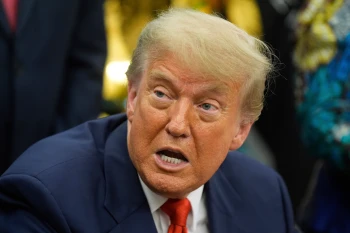
President Donald Trump has pushed for major changes to the way the federal government is run, especially when it comes to the power of federal agencies and the workers inside them. His approach focuses on giving the president more direct control over the federal bureaucracy, which he argues has become too powerful, slow, and unaccountable to voters.
One of the main goals of Trump’s efforts is to make it easier to fire or replace federal employees and leaders of independent agencies. He has argued that many government workers are protected by rules that make it difficult to remove them, even if they are inefficient or oppose his policies. By reducing job protections, Trump believes he can make the government move faster and more closely follow the agenda chosen by voters.
His plans also involve changing the balance of power between the president and independent agencies that were created to make decisions based on expertise rather than politics. Trump and his supporters believe these agencies should answer more directly to the White House. They argue this would make government more accountable to the public. Critics, however, worry that this could allow political influence to override scientific research and expert judgment.
These changes could have long term effects because federal agencies regulate important areas like the environment, workers’ rights, and consumer protections. If a president gains more direct control, it could make it easier to quickly change or remove rules.
Overall, Trump’s efforts represent a major shift in how the federal government operates. Whether seen as necessary reform or a risky concentration of power, his approach could permanently change the relationship between the president and the federal bureaucracy.