



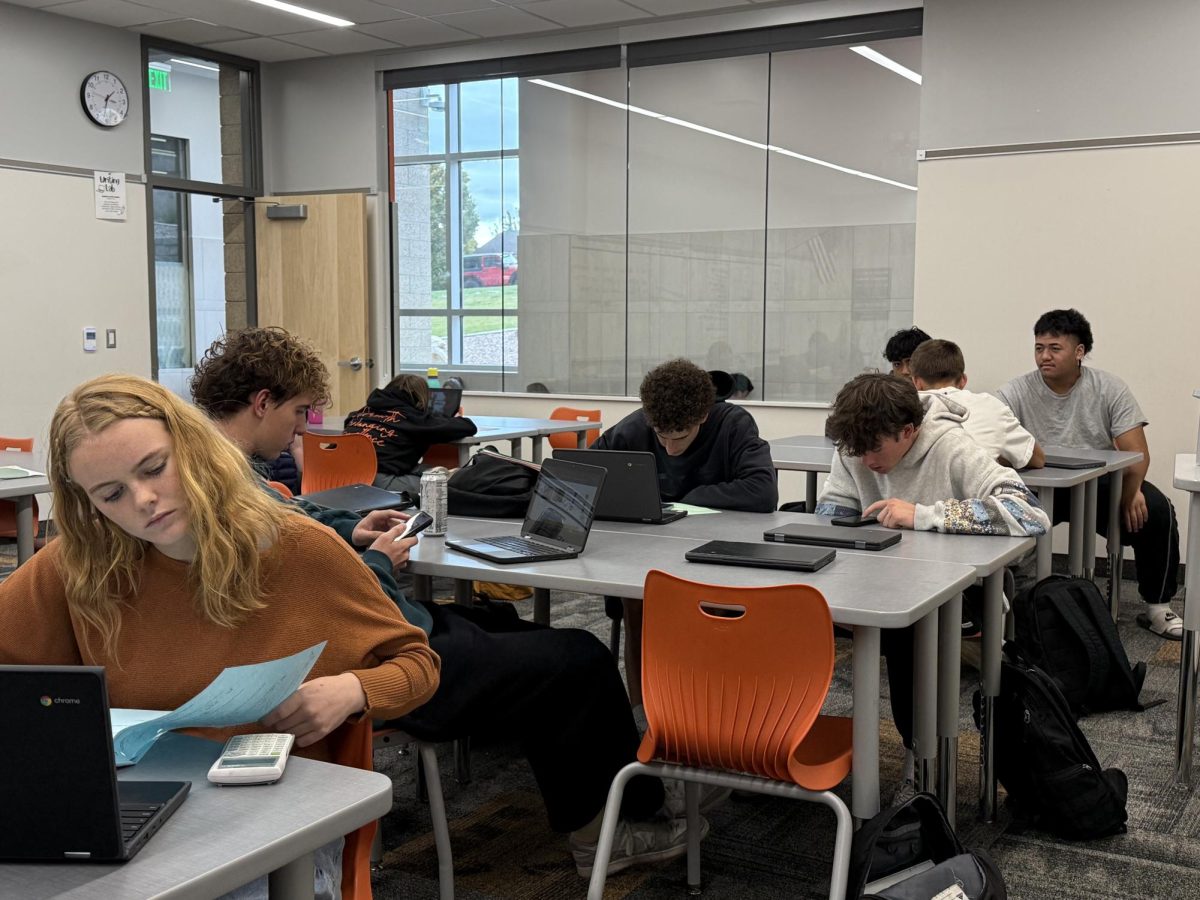
Average reading scores slipped from 263 in 2012 to 256 in 2023 (arts.gov).
The percentage of U.S. adults at the lowest literacy levels increased from 19% to 28% between 2017 and 2023 (Medium).
These statistics represent just a small factor of America’s urgent literacy crisis, and consequently, the decline of critical thinking and reason.
The American Literacy Crisis, according to CNN, has been building for decades– reading scores were sliding since before the pandemic, and the result of the worldwide shut down was the lowest reading levels we’ve seen in decades. Students across the nation suffered from shortened attention spans due to COVID, opting for Clash Royale over picking up a new book.
Even among adults, this issue’s grown in prevalence. More than 43 million American adults struggle with simple tasks like reading to their children or understanding basic health information.
What can this decline in literacy skills be attributed to?
Well, the pandemic magnified America’s literacy problem, but by no means was it the root of the issue. Despite this, schools and policy responses have focused on mitigating the offsets of the COVID-19 pandemic, offering extended learning time and summer school.
This issue extends to the overuse of AI, too. Tools like ChatGPT and Gemini do our critical thinking for us, eliminating the need to comb through textbooks and assigned reading for answers. In a 2024 study by social researcher Veera Korhonen, she describes how “a whopping 86 percent [of students] said they were using artificial intelligence tools in their schoolwork. Almost a fourth of them used them on a daily basis.” Why would we need to read past the first page when ChatGPT can summarize the entire book, right?
That’s not to say that AI isn’t helping students become stronger readers. Denver Public Schools have recently integrated AI teaching tools into their systems, helping elementary school students with pronunciation. (CNN.com) Instructors have found that AI completely revolutionizes their teaching, individualizing feedback for each student.
Despite aids like AI pronunciation tools and extended learning programs, the nation’s overall literacy levels aren’t getting any better. Its implications extend beyond the classroom– students that can’t read or comprehend can’t think proficiently, endangering the future of our country.
How do we combat the drastic American Literacy Crisis? Like a muscle, our brains need regular exercise to grow and function proficiently. Reading for pleasure and using our critical thinking skills over the convenience of ChatGPT actually do increase our cognitive skills. Researchers from The National Assessment of Educational Progress observed in a 2023 study that children who read for pleasure from a relatively younger age were more likely to show improved cognitive performance, language development, and academic achievement. Parts of the brain associated with cognition, language, and visual processing grew in size!
If this doesn’t convince you to read more, the same researchers found that reading was associated with reduced mental health problems and stress. In short, reading will reduce your stress about the Unit 4 AP Biology test, and you’ll feel less depressed when you fail it.
Timpview senior Bella Filmore prides herself on being an avid reader since she was three, attesting to the fact that reading has allowed her to develop a more nuanced perspective in life, culture, and politics. One of Filmore’s favorite quotes is, “Not all readers are leaders, but all leaders are readers.”
Next time you’re bored in the car, try opening up a book instead of Block Blast. Even just 15 minutes a day of reading will (scientifically) improve your body and mind.
And yes, reading this article counts!








Sloan Chase • Oct 23, 2025 at 7:25 PM
Absolutely fire article! You killed it!