



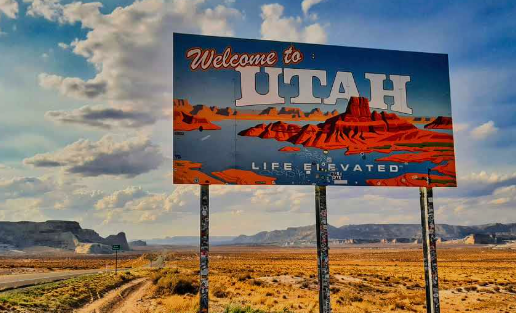
Utah is often described as isolated because of its geography, but the state’s separation from the rest of the country goes deeper than just physical distance. Utah is home to one of the most religiously concentrated populations in the United States, with a majority of residents belonging to The Church of Jesus Christ of Latter-day Saints (LDS Church). While religion can create a strong sense of community, Utah’s religious dominance has formed a cultural bubble that limits exposure to diverse beliefs, lifestyle and perspectives.
As someone who is nonreligious and moved to Utah from Oregon, the cultural shock was immediate. In Oregon, religion was treated as a personal choice and rarely assumed in social situations. In Utah, however, religion often feels built into everyday life. I noticed how common it is for people to assume that everyone around them shares the same beliefs, and for those who do not, this can feel very socially isolating and even alienating.
The culture shock went beyond religion. Moving from a more diverse state to Utah revealed how little many people here know about life outside of the state’s borders. Simple conversations about other states’ cultures, or ways of living sometimes revealed gaps in understanding. Many people have never traveled far outside Utah or interacted closely with people from different backgrounds. While this is not unique to Utah only, the state’s isolation and dominant culture seems to intensify it.
This lack of exposure can lead to ignorance, often unintentionally. When people grow up surrounded by the same beliefs, unfamiliar cultures can be misunderstood or reduced to stereotypes. Ideas about nonreligious people, different family structures, or lifestyle outside of Utah are commonly shaped by assumption rather than experience. This seclusion becomes especially concerning when interspersed with racism and anti-LGBTQ ideas. In other places, such as Oregon, openly using racial or homophobic slurs would lead to serious consequences. There was a clear understanding that hateful language caused harm and would not be tolerated. When harmful language goes unchecked, ignorance is reinforced.
None of this means Utah lacks value or growth. The state’s strong community ties and shared identity is meaningful to many residents, and diversity is slowly increasing in urban areas. Still, my experience moving from Oregon to Utah made one thing clear–when a state is both geographically isolated and culturally dominated by one belief system, understanding of the outside world can suffer.
Utah’s isolation has helped preserve its identity, but it has also created blind spots. Expanding cultural awareness and holding people accountable may be the key to breaking out of the bubble and creating a more informed and inclusive future.






A Certain Person • Feb 7, 2026 at 12:55 AM
I’m afraid I disagree.
Evealla • Feb 5, 2026 at 7:46 PM
fire as always
Gwen C • Feb 4, 2026 at 1:48 PM
You ate this, love to see people not shying away from these topic
Sloan Chase • Feb 4, 2026 at 7:53 AM
It’s so interesting and validating to see the perspective of someone who moved here and felt such a shock. Amazing article!