


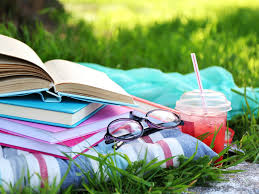
The declining literacy rates of our nation are truly disturbing.
The global literacy rate for adults is 86.3%, by contrast, the literacy rate for adults in the United States is 79%.* 54% of US adults have a literacy below a 6th grade level, with 20% having one below a 5th grade level.* When you look at actual elementary schoolers, stats show that nearly 5 years after the COVID-19 pandemic, scores in math and reading in the US are still far below their pre-pandemic numbers.** Only 2 states surpassed their 2019 scores in elementary school and no state has surpassed their 2019 scores beyond elementary school.**
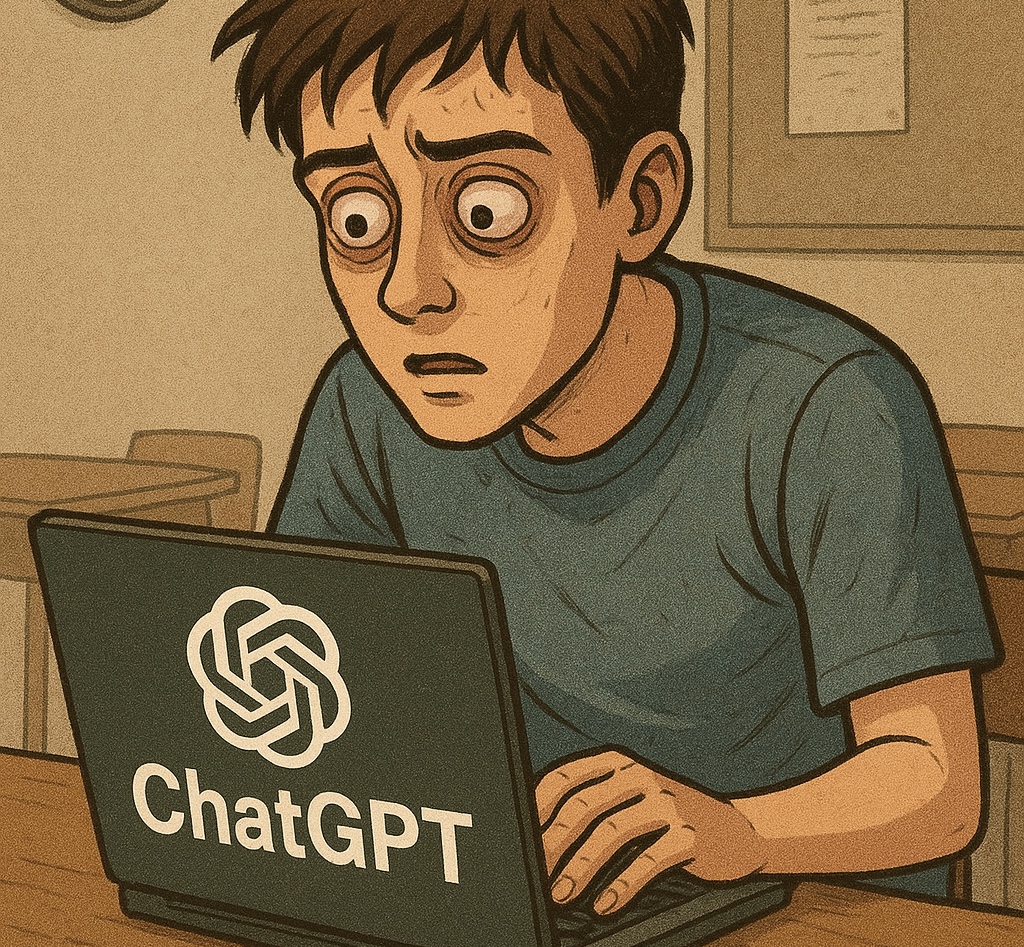
Increasing numbers of students are graduating high school without ever having read a book. Around 19% of high school graduates can’t read***, and with the rise of AI allowing students to do their assignments without ever having to pick up a book, this number is likely to increase significantly in the future.
It seems that we’ve lost the plot entirely. Why are we treating reading like a chore that we need to get through rather than the artform and vessel for communication it truly is?
This reminds me of a quote from Gilmore Girls (my ultimate comfort show) in which a businesswoman says, “When I was at Oxford, I did nothing but read literature. It was such a luxury. I long for those days, just reading books, thinking,” before explaining how she no longer has time for that now that she’s out in the “real world.” While this is played off as being a condescending comment towards the show’s protagonist, there is some truth to it.
There is a beauty and a luxury to being able to read, and this is beyond the over-aestheticized version depicted on Booktok or other online literature forums. It is something truly beautiful to be able to share in the thoughts and stories of people from hundreds of years ago or people that never existed at all.
There’s also a power to being educated and aware of what’s happening in the world around you. You’ll hear many people these days talking about “media literacy,” or the ability to access, analyze, evaluate, and create media. This is often brought up when a songwriter puts a somewhat veiled reference in their song or a film includes a callback to something or a commentary on a current issue. It is also often brought up as something that people don’t have, but how do you get media literacy? You get it from English class. Do you think you’ve been analyzing all those rhetorical choices, delving into the inner thought processes of the author, just for fun? It was to teach you how to think critically about all media you consume.
I urge you not to fall into the trap of seeing reading as a chore or an assignment. There will always be books that interest you and books that don’t, and while you’re inevitably going to have to read some books that don’t interest you, you have the power to balance that out by reading things you want to read.
Mrs Van Orden is practically famous here at Timpview for her fantastic AP English class, along with her AP Seminar and Research classes. She teaches students how to read critically, analyze the author’s decisions, and create their own writing at a high level. I’ve been lucky enough to take her AP Seminar class this year and in this last week of school she gave us a list of books, these were her suggestions for summer reading. I’d like to end this, my final article of the 2025-2026 school year, by sharing that list with you in hopes that it inspires you to read over the summer. Here is that link.
I sincerely hope you look at these books and find something you want to read over the summer, and when you come back to school in August, I hope you have a newfound outlook on the power of reading.
*https://www.thenationalliteracyinstitute.com/2024-2025-literacy-statistics
**https://www.nagb.gov/news-and-events/news-releases/2025/nations-report-card-decline-in-reading-progress-in-math.html
***https://literacyinc.com/about-us/