



Climate depression (also known as eco-anxiety) is becoming an increasingly prevalent issue for people everywhere—especially young people. According to Harvard Medical school, “Climate anxiety/depression, or eco-anxiety, is distress related to worries about the effects of climate change. It is not a mental illness. Rather, it is anxiety rooted in uncertainty about the future and alerting us to the dangers of a changing climate.” For many teens, the uncertainty feels heavier and heavier.
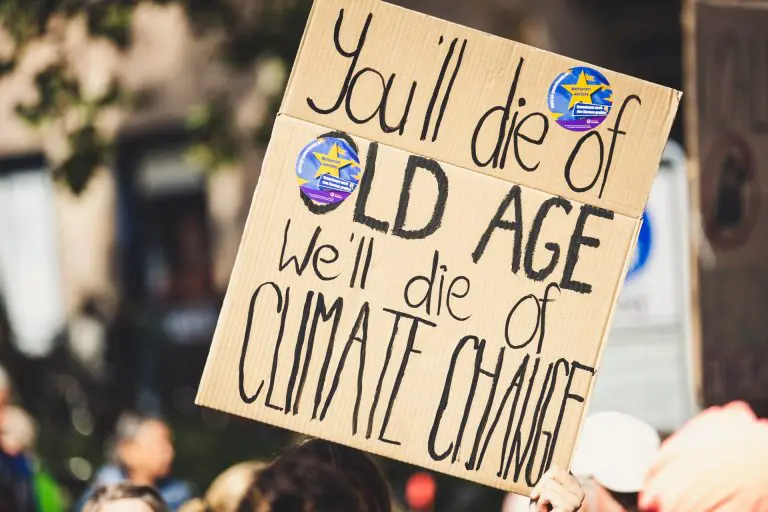
Rising sea levels, harm to ecosystems, threats to human health, food security and so much more. There’s so much happening and it’s overwhelming. Plus it all seems to get worse and worse. Every day on social media, new posts pop up about an animal that is on the verge of extinction, or a new article is published that highlights the record broken of greenhouse gas emissions. Mixed in are warnings and protest signs saying things like:
“You’ll die of old age, we’ll die of climate change!”
“Why am I studying for a future I don’t have?”
“Save our planet, save our future.”
Because of this, it’s so easy for many of us to slip into climate depression, experiencing existential worry, anger or a sense of helplessness about our planet’s future. While these reactions are understandable, there are healthy ways to cope.
To cope with climate depression, we should:
1. Acknowledge and validate our feelings as valid.
Climate depression doesn’t mean something is wrong with you, it means you care. Recognizing that your emotions are valid is the first step toward managing them.
2. Limit overwhelming news.
Staying informed is important, but constant doom scrolling is not. Try setting boundaries around how often you check climate-related content. Seek out accounts that share solutions, scientific progress reports or positive environmental news–not just worst case scenarios.
3. Take action.
One of the most effective ways to counter helplessness is to contribute to solutions, even in small ways. Join environmental clubs here at Timpview, reduce waste, advocate for sustainable policies or support organizations working toward climate resilience. Action can turn anxiety into empowerment.
4. Spend time in nature.
Being in nature reduces stress and reminds us of what we’re trying to protect. Whether it’s a hike, skiing, or just a walk outside, reconnecting with nature can help restore hope.
Climate depression is real, but it doesn’t have to define our generation. By caring for our mental health while staying engaged and informed, we can look to our future with optimism, and continue pushing for the healthier planet we deserve.