


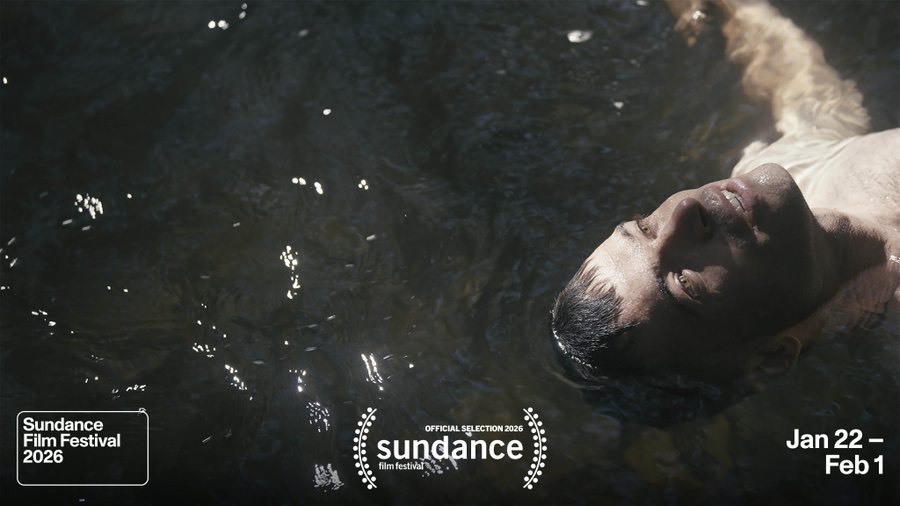
While the Sundance Film Festival is moving to Colorado next year, this year’s festivities started with a film focused specifically on Utah. Veteran director Abby Ellis debuted her documentary The Lake about the ongoing race to save the largest saline lake in the Western Hemisphere.
The film has attracted attention from major producers in environmental film, such as Leonardo DiCaprio joining the project as an executive producer along with his Appian Way partners Jennifer Davisson and Phillip Watson, bringing additional attention to the growing environmental crisis of the rapid decline of the Great Salt Lake.
The film centers on what scientists have called an “environmental nuclear bomb” (The New York Times). The Great Salt Lake–previously, the largest saline lake in the Western Hemisphere–is essential to Utah’s environment, public health, economy and even climate. The film explains how water diversions are pushing the lake towards collapse within the next few years. As the lake shrinks, the exposed lakebed begins to release toxic minerals into the air, including dust laced with arsenic, mercury, selenium, and even radioactive materials. When winds blow across the dry lakebed, it picks up the dust and exposes millions of Utahns to the pollution.
The documentary follows three key figures working on solutions–Great Salt Lake Commissioner Brian Steed, environmental ecologist Ben Abbott and Westminster microbiologist Bonnie Baxter. Through their work, the film shows both the scientific and political challenges involved in saving the lake.
“The Lake” also includes footage from a roundtable organized by Governor Spencer Cox, in which legislators, researchers and advocates talked about plans to save the lake. At that meeting, leaders prioritized lake restoration and helped direct $200 million in philanthropic funding toward the lake. A new state charter has set a goal of reaching healthier lake levels by 2034, which is the same year Salt Lake City will host the Winter Olympics again. This changes the tone of the documentary from discouraging to more optimistic.
Abby Ellis uses a unique storytelling style: she mixes traditional journalism with elements of the horror genre to emphasize the seriousness of the crisis. In an interview with the International Documentary Association, she explained her approach: “I don’t think it’s a horror film, but we leaned into the horror genre a little bit because crises of the environment are stories of horror. We’re not seeing them in that light as often as I think we should. We’re talking about arsenic dust clouds enveloping a city of 2.8 million people. It’s horrifying. You would write an apocalyptic screenplay about that.”
“Usually in an environmental film, we capture the aftermath. What I find super compelling about this story is that we arrive before the catastrophe when there is still a chance to make a difference. We don’t know the ending.” Said Ellis
“The Lake” received the award in the Impact for Change category, with the Jury saying, “This environmental-crisis story is a probing and provocative look at the interdependency of science and faith, and the power of individuals and communities to avert disaster by working together. We were moved and encouraged by its vision of people working across political divides.”

Major publications such as Variety and The Guardian have also praised the documentary’s powerful message. Variety saying how the film is “so much more than a regionally isolated issue documentary. Its lessons should apply to every single environmental fight around the world.”
As climate and water issues increasingly affect communities everywhere in the world, “The Lake” reminds the audience how environmental problems are not distant and passive, they are local, immediate and deeply connected to people’s lives.