


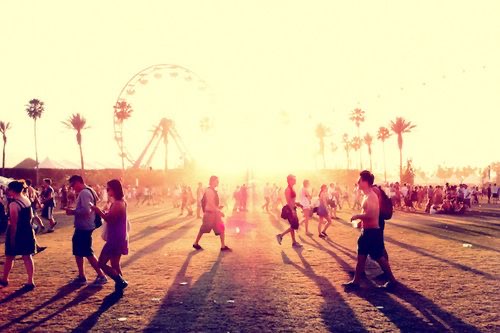
The 25th annual Coachella Valley Music and Arts Festival in 2026, which happened these last two weekends, has become a global event, with fans coming from all over the world to experience some of their favorite artists live. This year’s headliners were Sabrina Carpenter, Justin Bieber and Karol G, artists that all drew tons of global attention and sold out in record time.
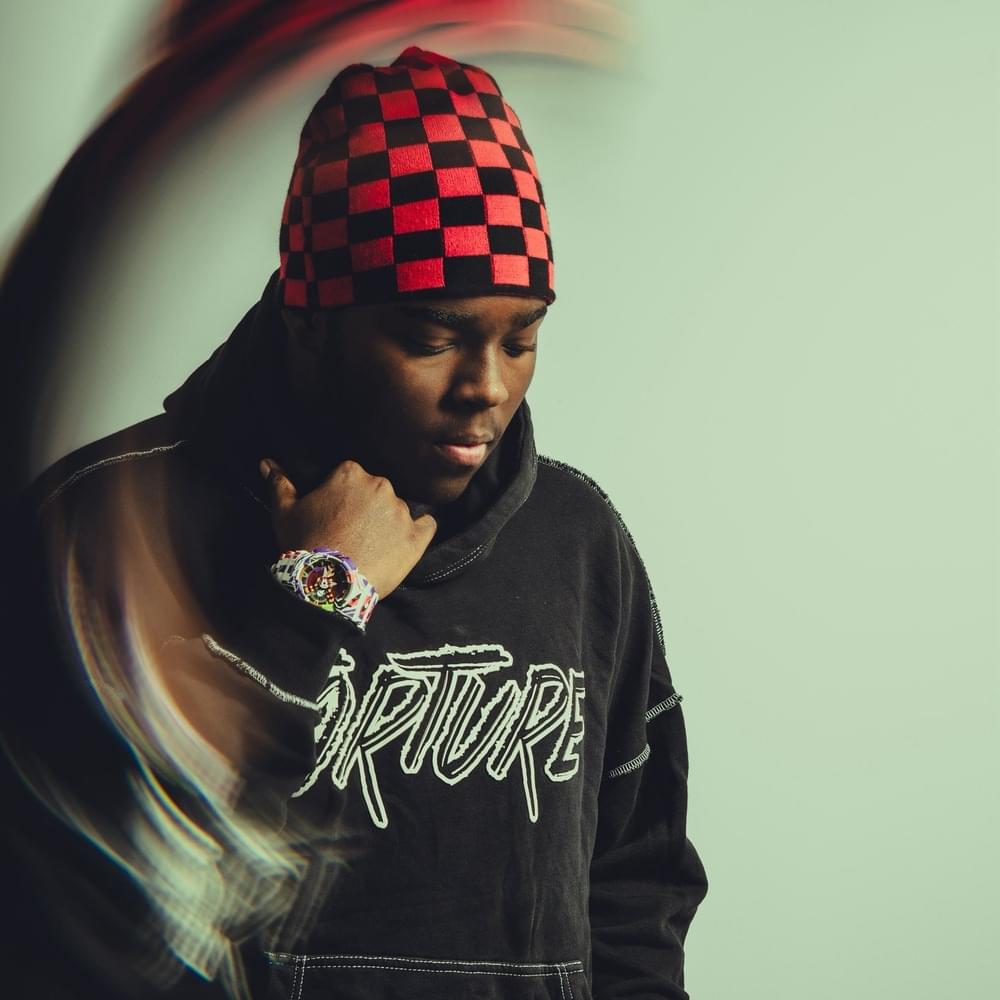
Beyond the headliners, Coachella 2026 stood out for the variety of performers. There were major performances from The Strokes, Young Thug and PinkPantheress along with rising and alternative artists such as Ethel Cain, Alex G and Wet Leg. Electronic and global music was also represented with performers like Disclosure, Moby, Subtronics, fakemink and Central Cee, forming a lineup that crossed genres.
One of the defining aspects of Coachella 2026 was its focus on theatrical elements and viral moments. Performances often included surprise guests like Justin Bieber pulling Billie Eilish on stage, Addison Rae bringing out Olivia Rodrigo and Madonna joining Sabrina Carpenter. Videos of the moments reached millions of people on social media and everyone had something to say. This shows how Coachella has become as much about viral moments as it is about live music.
However, the festival also got growing criticism about accessibility. With ticket prices being more than ever and VIP packages costing even more, Coachella has increasingly become associated with exclusivity. Influencers have also dominated the social scene, going often to brand-sponsored parties and constantly keeping their followers updated. This can be good since it allows those who aren’t there to experience parts of it, but it also cuts out many music lovers who aren’t influencers since it’s often only influencers who can afford to go (since they’re often not paying anything). For many observers, the festival now feels less like a music event and more like a curated social media showcase.
This tension was also reflected in some of the performances. While some artists delivered high production and very visual shows, others–like Justin Bieber–went for more of a minimal and emotional set. His performance divided audience reactions, with some saying how it was boring and lazy and others explaining the nostalgic aspects of it.
Overall, this year’s Coachella captured the highlights and the downfalls of modern music festivals. Its huge, diverse lineup proved its continued cultural influence, but its growing association with influencers and luxury raised questions about who the festival is really for. As it moves forward, Coachella faces the challenge of balancing its role as a global cultural event with its original purpose–celebrating music and shared live experiences.